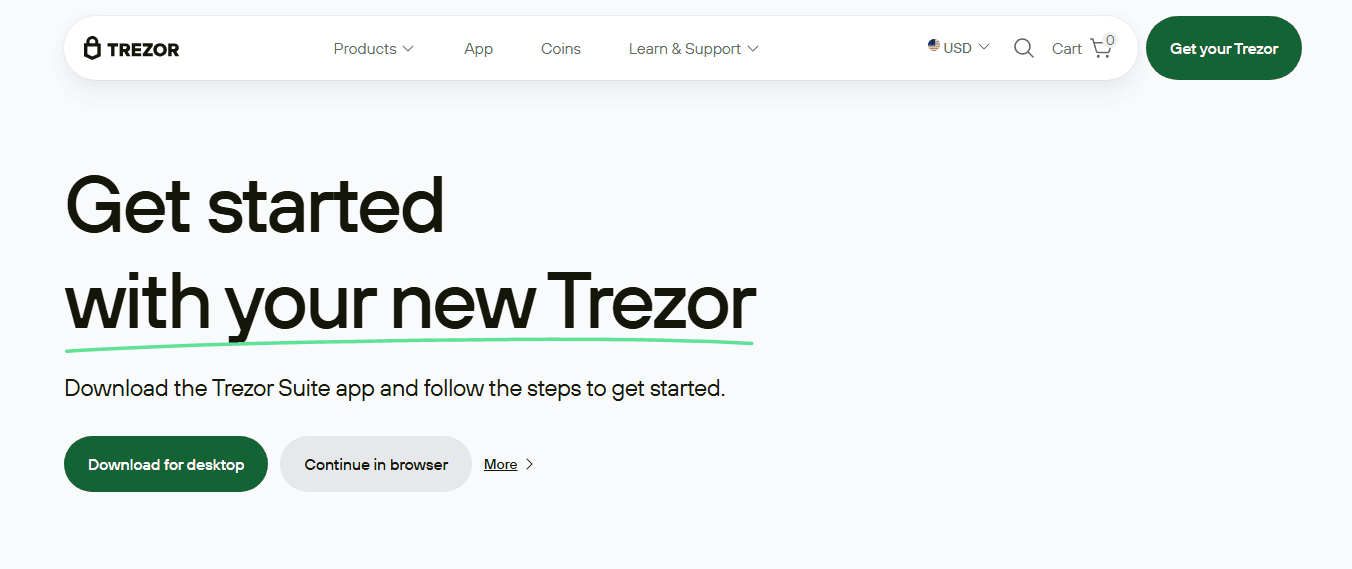
Trezor.io/start – Beginner’s Guide to Setting Up Your Trezor Wallet Safely
Owning cryptocurrency means you are in full control of your funds—but that control comes with responsibility. Unlike a bank, if something goes wrong, there’s no one to reverse transactions or recover lost crypto. A small setup mistake can lead to permanent loss.
Trezor.io/start is the official starting point to safely set up your Trezor hardware wallet, manage your crypto securely, and avoid common mistakes.
Why Proper Setup is Important
Your Trezor wallet stores private keys, the unique codes that give you access to your cryptocurrency.
If someone else gets your private keys, they can steal your funds.
If you lose your keys or recovery seed, you cannot recover your wallet.
Most crypto losses happen because of setup mistakes, not hacking. Following the official instructions ensures your assets remain secure.
How Trezor Keeps Your Crypto Safe
Trezor is a hardware wallet that keeps private keys offline. This protects your crypto from hackers, viruses, and online threats.
Using Trezor gives you full self-custody, meaning you alone control your funds. No bank, exchange, or third party can access your crypto without your permission.
Step 1: Start at Trezor.io/start
Always begin at the official site. Trezor.io/start ensures you:
Download Trezor Suite, the official wallet software
Follow verified setup instructions
Confirm your device’s authenticity
Learn essential security practices
Avoid unofficial websites—they may steal your recovery seed or install malicious software.
Step 2: Inspect Your Device
When your Trezor arrives:
Check packaging for tampering
Ensure the device is genuine
Inspect for any visible damage
This ensures your wallet is safe before setup.
Step 3: Install Trezor Suite
Trezor Suite is the official app for managing your wallet. With it, you can:
Create and manage multiple cryptocurrency accounts
Send and receive crypto securely
Track balances and transaction history
Install apps for supported coins
Update firmware safely
All private keys remain on the device, and transactions must be verified directly on Trezor.
Step 4: Initialize Your Wallet
Turn on your Trezor and follow the on-screen prompts:
Set a strong PIN code
Confirm it on the device
The PIN protects your wallet if it is lost or stolen.
Step 5: Record Your Recovery Seed
Trezor generates a recovery seed, a series of 12, 18, or 24 words that serves as a backup for your wallet.
Security tips:
Write it on paper; never digitally
Keep it offline in a secure location
Never share it
Never type it on websites or apps
Your recovery seed is the only way to restore your wallet if it is lost or damaged.
Step 6: Verify Device Authenticity
Using Trezor Suite, confirm your device is authentic:
Check the device for authenticity
Verify firmware integrity
Inspect for signs of tampering
This step protects your crypto from counterfeit devices.
Step 7: Install Cryptocurrency Apps
Trezor supports hundreds of cryptocurrencies. Install apps for the coins you want, such as:
Bitcoin
Ethereum
Cardano
Solana
Polkadot
Litecoin
Apps can be installed, removed, and reinstalled at any time.
Step 8: Keep Firmware Updated
Firmware updates improve security, fix bugs, and add support for new cryptocurrencies. Trezor.io/start guides you to safely update your device using Trezor Suite.
Regular updates keep your wallet secure and functional.
Step 9: Sending and Receiving Crypto
When performing transactions:
Always verify addresses on your Trezor device
Double-check transaction amounts
Never share your recovery seed
These steps help keep your funds safe.
Step 10: Avoid Scams
Be cautious of:
Fake emails or messages claiming to be Trezor
Fraudulent websites
Requests for your recovery seed
Urgent or threatening messages
Being vigilant protects your crypto.
Step 11: Use Advanced Security Features
Trezor devices offer additional protection:
Optional passphrase for extra wallet security
Multi-signature wallet support
Two-factor authentication (2FA) compatibility
These are recommended for advanced users or high-value wallets.
Step 12: Backup and Recovery Practices
Protect your recovery seed by:
Keeping copies in multiple secure locations
Avoiding digital backups to prevent hacking
Periodically reviewing backup security
Proper backup prevents permanent loss of access to your crypto.
Step 13: Manage Multiple Cryptocurrencies
Trezor Suite makes managing multiple coins simple:
View balances for all your cryptocurrencies
Send and receive multiple coins
Track portfolio performance
All actions require device verification for security.
Step 14: Stay Updated
Trezor.io/start provides:
Firmware and security updates
Support for new cryptocurrencies
Guides, tutorials, and best practices
Regular updates keep your wallet safe and up to date.
Step 15: Take Responsibility
With a Trezor wallet, you are fully in control—and fully responsible:
Verify every transaction
Keep your recovery seed secure
Remember that blockchain transactions cannot be reversed
Good habits today prevent costly mistakes tomorrow.
Conclusion
Trezor.io/start is the official way to safely set up your wallet. By following these steps, you can:
Securely create and manage your wallet
Protect private keys and recovery seed
Avoid scams and phishing attempts
Send, receive, and store crypto safely
A proper setup ensures confidence and full control over your digital assets.